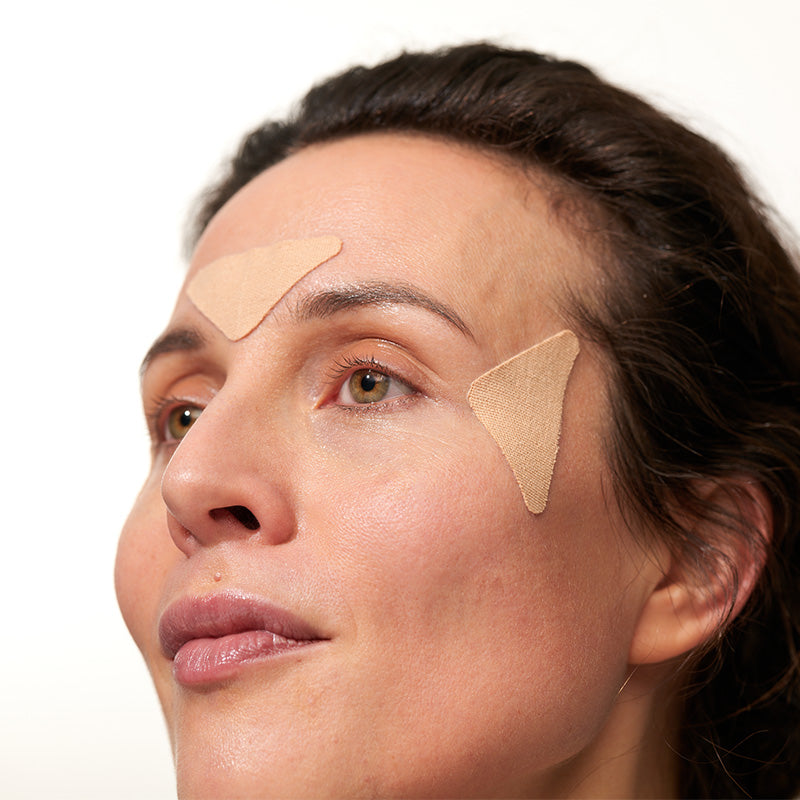
Unlock Smoother Skin: Your Comprehensive Face Tape Application Guide for Forehead & Frown Lines
In the ever-evolving landscape of skincare, innovative solutions continually emerge to address the common concerns of aging and expression lines. Among the most talked-about is face tape – a simple yet effective tool gaining immense popularity for its ability to gently lift, support, and train facial muscles for a smoother, more youthful appearance. If you're looking to minimize the visibility of stubborn forehead wrinkles or deep frown lines without invasive procedures, understanding the proper application of face tape is your first step towards remarkable results. This guide will walk you through the essential techniques, benefits, and insights into harnessing the power of face tape, with a specific focus on achieving a revitalized forehead and a relaxed, serene brow.Understanding Face Tape: A Gentle Approach to Youthful Skin
Face tape, often referred to as facial wrinkle patches or anti-wrinkle tape, is a non-invasive cosmetic aid designed to provide targeted support to the skin. Far from being a mere sticky strip, modern face tape leverages advanced material science to offer gentle yet powerful results. Typically crafted from medical-grade materials, these tapes feature a combination of breathable carriers like polyurethane, cloth, or non-woven fabrics, paired with hypoallergenic adhesives, often acrylic or silicone-based. This sophisticated construction ensures they are kind to the skin, even during extended wear. The underlying mechanism of face tape is multifaceted. Primarily, it works by physically supporting the skin and gently encouraging facial muscles to relax and adopt smoother positions. By doing so, it helps to counteract the repetitive movements that contribute to deep-set wrinkles over time. Think of it as a gentle trainer for your facial muscles, working to break habitual expressions that lead to creasing. The advent of highly stretchable polyurethane backings and incredibly soft silicone adhesives has revolutionized the market, offering supreme comfort during application and removal – a far cry from any "ouch" moments. These innovations provide significant holding power without tugging or causing skin trauma, making them suitable for sensitive areas. To dive deeper into the technological advancements, explore Gentle Lift: Exploring Medical-Grade Face Tape Technology.Why Target Forehead & Frown Lines with Face Tape?
The forehead and the area between the eyebrows (glabella), commonly known as frown lines, are prime targets for facial wrinkles. These lines are often among the first to appear and deepen due to a combination of factors:- Repeated Facial Expressions: Raising eyebrows in surprise or concern, and furrowing the brow in concentration or frustration, are habitual movements that etch lines into the skin over time.
- Sun Exposure: UV rays damage collagen and elastin, accelerating wrinkle formation.
- Aging: As we age, our skin naturally loses elasticity and moisture, making it more susceptible to lines and wrinkles.
Your Step-by-Step Face Tape Application Guide for Forehead & Frown Lines
Achieving the best results with face tape hinges on proper application. Follow this detailed guide to ensure maximum effectiveness, especially when targeting forehead and frown lines.Preparation is Key
Before you even touch the tape, ensure your skin is perfectly primed. This step is critical for optimal adhesion and results.- Cleanse Thoroughly: Wash your face with a gentle cleanser to remove all makeup, oil, and impurities. Residual oils or dirt can prevent the tape from adhering properly.
- Ensure Skin is Bone Dry: Pat your skin completely dry. Any moisture will compromise the adhesive.
- Moisturizer (Optional, but allow absorption): If you typically use a moisturizer, apply it *before* the tape, but allow it to fully absorb into your skin – at least 15-20 minutes, or even longer for richer creams. The skin's surface must feel dry to the touch.
- Gentle Massage: For an added boost, gently massage the target lines (forehead and frown lines) with your fingertips for about 10 seconds. This can help stimulate blood circulation, preparing the skin for treatment.
Applying to the Forehead (Horizontal Lines)
Horizontal forehead lines are often caused by repeatedly raising the eyebrows.- Identify the Lines: Look in a mirror and gently raise your eyebrows to highlight your natural forehead lines.
- Gently "Open" the Wrinkles: Using the fingers of one hand, gently stretch the skin on your forehead *upwards and outwards* to subtly flatten or "open" the horizontal wrinkles. You want to create a smooth, taut surface without overstretching.
- Apply the Tape: While holding the skin taut, take your chosen face tape (often pre-cut strips or a custom-cut piece). Apply one end of the tape to the outermost part of the wrinkle, then gently smooth it across the wrinkle towards the center of your forehead, ensuring it adheres evenly. Do not stretch the tape itself; simply lay it flat onto the smoothed skin.
- Multiple Strips: If you have several horizontal lines, apply individual strips to each line, ensuring they don't overlap excessively.
Tackling Frown Lines (Glabella/Between Brows)
Frown lines are the vertical lines that appear between your eyebrows, often from furrowing your brow.- Identify the Lines: Furrow your brow slightly to clearly see your frown lines.
- Gently "Open" the Wrinkles: Using your thumb and index finger, gently pinch the skin between your eyebrows and pull it *apart horizontally* to flatten the vertical frown lines.
- Apply the Tape: With the skin held taut, take a piece of face tape (a small square or rectangle is often effective for this area). Apply the tape directly over the smoothed frown lines, pressing down gently from the center outwards to ensure good adhesion. Again, do not stretch the tape, just apply it smoothly to the flattened skin.
- Consider a "T" Shape: For deeper frown lines, some users find success applying one vertical strip and then a smaller horizontal strip across the top of the vertical one, creating a "T" shape to provide extra support.
Wear Time & Removal
Most face tapes are designed for overnight wear, allowing them to work undisturbed for several hours. This consistent, gentle pressure helps train the facial muscles and allows the skin to rest in a smoother position. Some users prefer to wear them for a few hours during the day, especially if working from home. For best results, consistency is key – aim for regular use, whether daily or a few times a week, as recommended by the product manufacturer.
When it's time to remove the tape, do so gently to prevent any irritation or skin trauma. If you used an acrylic adhesive tape, you might find it beneficial to lightly dampen the tape with water or a gentle oil cleanser to soften the adhesive before slowly peeling it away. Silicone-based tapes, due to their inherent gentleness, often remove cleanly without extra steps. Always peel *with* the direction of hair growth and *against* the direction of the skin's pull, supporting the skin with your other hand.
The Science Behind the Smooth: How Face Tape Delivers Results
The effectiveness of face tape isn't just anecdotal; it's rooted in a clever understanding of dermatological mechanics and facial anatomy. The core principle involves what is often referred to as "facial fascia technology." Fascia is the connective tissue that surrounds our muscles and provides support. By applying tape, you're not just sticking something to your skin; you're creating a gentle, external scaffold that interacts with these underlying structures. When applied correctly, face tape provides a subtle, continuous tension that helps to:- Inhibit Muscle Contraction: By providing a physical barrier and support, the tape limits the unconscious movements of facial muscles that lead to creasing, particularly around the forehead and glabella.
- Retrain Muscle Memory: Consistent application encourages facial muscles to "learn" to relax in a smoother state, helping to reduce the depth and prominence of existing lines over time.
- Improve Circulation: The gentle massage prior to application, combined with the presence of the tape, can promote better blood flow to the skin, aiding in nutrient delivery and cellular repair.
- Prevent Overnight Creasing: For side sleepers or those prone to expressive sleeping, face tape acts as a preventative measure, ensuring the skin remains flat and uncreased during sleep.
Maximizing Your Face Tape Experience: Tips for Lasting Benefits
To truly harness the power of face tape for lasting anti-aging benefits, consider these additional tips:- Consistency is Key: Like any skincare regimen, regular use of face tape yields the best results. Integrate it into your nightly routine or a few hours daily.
- Combine with Skincare: Face tape is an excellent adjunct to a robust skincare routine. Ensure you're using hydrating serums, targeted treatments (like retinoids or peptides), and sunscreen during the day to support overall skin health.
- Customization: Many tapes come in sheets or rolls, allowing you to cut them to custom sizes and shapes perfectly suited for your specific wrinkle patterns. This can be particularly useful for intricate areas or unique facial structures.
- Listen to Your Skin: While face tape is generally gentle, pay attention to any signs of irritation. If redness or discomfort occurs, discontinue use or try a different type of tape (e.g., switching from acrylic to silicone adhesive).
- Stay Hydrated: Well-hydrated skin is more resilient and less prone to wrinkles. Drink plenty of water and use hydrating topical products.